

Table of Contents
- Why Teen Acne Happens and What Makes It Different
- What You'll Need: Building a Gentle Acne Face Wash for Teens Routine
- How to Build a Teen Skincare Routine That Actually Sticks
- Key Natural Ingredients for Acne-Prone Skin
- How Long Does It Take for Acne Products to Work?
- Common Mistakes Teens Make With Natural Skincare
- The Emotional Side of Teen Acne: What Parents Should Know
- Putting It Together Without the Overwhelm
- Frequently Asked Questions
Last Updated: September 15, 2026
Why Teen Acne Happens and What Makes It Different
Teen acne is driven by hormonal shifts that ramp up oil production and clog pores during adolescence. WildBloom Skincare developed this parent's guide to explain why teenage breakouts differ from adult acne and how a natural skincare for teen acne breakouts approach can calm skin without harsh chemicals.
Rising androgen levels enlarge the sebaceous glands, which pump out more sebum. That excess oil mixes with dead skin cells and traps bacteria, producing whiteheads, blackheads, and inflamed cysts. Because the skin barrier is still maturing, teen skin reacts more aggressively to stripping ingredients than adult skin does.
Hormonal acne also follows a pattern: breakouts cluster along the forehead, nose, and chin, and they flare around the menstrual cycle. According to American Academy of Dermatology guidance on acne, acne is the most common skin condition in the United States, affecting the majority of people at some point between their teens and twenties. That context helps parents understand this is normal, not a hygiene failure.
What You'll Need: Building a Gentle Acne Face Wash for Teens Routine
A gentle acne face wash for teens is the foundation of any routine because it removes oil and debris without stripping the skin barrier. The goal is balance, not squeaky-clean tightness.
Here is what to gather before you start:
- A mild, non-comedogenic cleanser free of synthetic fragrance and harsh sulfates
- A lightweight moisturizer with ceramides or hyaluronic acid
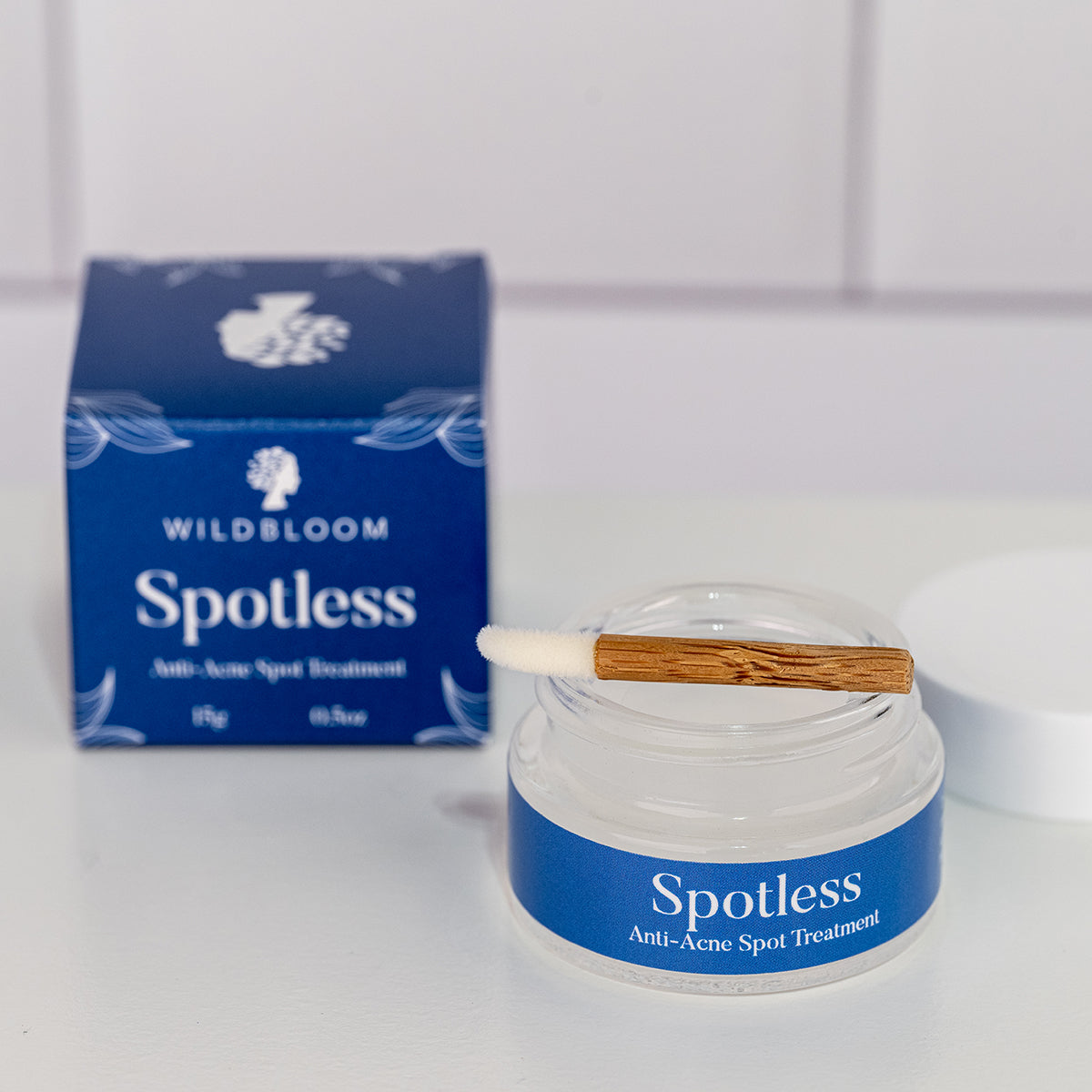
- A spot treatment for active blemishes
- A broad-spectrum sunscreen for daytime
- Clean hands and a fresh, soft washcloth
Choosing a Cleanser That Won't Strip the Skin Barrier
The right cleanser maintains the skin's natural pH balance while clearing excess sebum. Look for soothing botanicals like aloe vera and rosewater, and avoid anything that leaves skin tight or stinging.
Reaching for the strongest foaming wash backfires: stripped skin produces more oil to compensate, which feeds more breakouts. A gentle cleanser used twice daily does more for pore cleansing than an aggressive scrub used once.
How to Build a Teen Skincare Routine That Actually Sticks
The most effective teen skincare routine is short, consistent, and easy to repeat. Complexity kills consistency, so build around three or four steps and keep them in plain sight.

Morning Steps vs. Evening Steps
Morning care focuses on protection; evening care focuses on repair.
Morning:
- Rinse with lukewarm water or a gentle cleanser
- Apply a lightweight moisturizer
- Finish with broad-spectrum sunscreen
Evening:
- Wash with a gentle cleanser to remove oil and sunscreen
- Apply a spot treatment to active blemishes
- Moisturize to support overnight repair
For families who want a ready-made starting point, the PoshMom x WildBloom "Love Your Teen Skin" Bundle pairs a gentle cleanser, balancing mist, nourishing moisturizer, and targeted spot treatment in one fragrance-free set. It removes the guesswork of matching products, which is often where routines stall.
Key Natural Ingredients for Acne-Prone Skin
Natural ingredients for acne-prone skin work best when they soothe inflammation and support the skin barrier rather than stripping it. Each ingredient below is a tool with a job, a mechanism, and a limit, understanding how each works separates a routine that clears skin from one that just dries it out.
Barrier and Hydration Ingredients
- Niacinamide (vitamin B3): Regulates sebum and calms redness by supporting the lipid barrier. Most teen-friendly formulas use 2-5%; higher concentrations can sting, so start low.
- Hyaluronic acid: A humectant that pulls water into the upper layers of skin. It does not clog pores and pairs well with almost everything. Apply to slightly damp skin so it has water to bind.
- Ceramides: Naturally occurring fats that fill the gaps between skin cells. Teen skin stripped by harsh cleansers is often ceramide-depleted, which is why a ceramide moisturizer can reduce the rebound oiliness that follows over-washing.
- Glycerin: A workhorse humectant found in most gentle moisturizers. Cheap, well-tolerated, and effective.
Soothing and Anti-Inflammatory Ingredients
- Aloe vera and rosewater: Reduce visible redness and calm irritation. Best used as toners or mists, not standalone treatments.
- Centella asiatica (cica): Supports wound healing and reduces inflammation. Common in Korean-beauty-inspired teen lines and well tolerated on reactive skin.
- Green tea extract: Contains polyphenols that calm inflammation and have mild antibacterial activity. Useful in both cleansers and leave-on products.
- Colloidal oatmeal: FDA-recognized skin protectant that soothes itching and irritation. Helpful for teens whose acne is compounded by eczema or sensitivity.
Gentle Exfoliating and Antibacterial Ingredients
- Willow bark extract: A botanical source of salicylic acid. It exfoliates inside the pore and is gentler than a straight acid peel, but it is still an exfoliant, use it once daily at most.
- Zinc (topical): Reduces inflammatory breakouts and supports healing. Zinc oxide also appears in mineral sunscreens, which is a bonus for acne-prone skin.
- Raw honey (especially manuka): Naturally antibacterial and soothing. Best as a short-contact mask, since honey can be comedogenic for some teens.
- Tea tree oil: Has real antibacterial activity against acne-causing bacteria, but must be diluted, undiluted tea tree oil causes irritation and contact dermatitis. Look for formulas at 5% or less.
- Activated charcoal: Binds to surface oil and debris for a deeper clean. It is a cleanser ingredient, not a treatment, and can be drying if used more than once daily.
Ingredients to Treat With Caution
"Natural" does not automatically mean gentle. Several botanicals are common irritants on teen skin:
- Essential oils (citrus, peppermint, lavender, eucalyptus): frequent causes of contact dermatitis, especially in leave-on products.
- Coconut oil and cocoa butter: highly comedogenic and a common trigger for clogged pores.
- Witch hazel with alcohol: astringent and drying; alcohol-free versions are fine, alcohol-based ones are not.
- Baking soda and lemon juice: popular DIY ingredients that disrupt the skin's acid mantle and cause chemical burns. Skip them entirely.
How to Layer These Ingredients
A simple rule: one exfoliant, one treatment, one moisturizer. Do not stack willow bark, tea tree, and a spot treatment with glycolic acid, that is how barriers get damaged. Introduce one new ingredient at a time and wait two weeks before adding another so you can tell what is helping and what is irritating.
These ingredients work as topical support alongside a consistent routine. As documented in Cleveland Clinic overview of acne treatment, gentle, non-irritating formulas are generally preferred for younger skin because harsh products can worsen inflammation.
How Long Does It Take for Acne Products to Work?
Most acne products take four to eight weeks of consistent use before you see meaningful improvement. This is the most important expectation to set with a teenager, because impatience leads to product-hopping that resets progress.
During the first two weeks, some people experience a mild purge as the skin adjusts.
Common Mistakes Teens Make With Natural Skincare
The Emotional Side of Teen Acne: What Parents Should Know
What the Research Actually Shows
Scripts Parents Can Actually Use
Coping Strategies for Teens
When to Bring in a Professional
Gender-Specific Patterns Worth Knowing
Putting It Together Without the Overwhelm
Frequently Asked Questions
How to clear teen acne naturally?
Start with a gentle cleanser twice daily, follow with a lightweight non-comedogenic moisturizer, and use a spot treatment on active blemishes. Look for ingredients like niacinamide, zinc, and willow bark extract that calm inflammation without stripping the skin barrier. Consistency matters more than intensity. Most teens see improvement within four to eight weeks of a steady routine.
Are natural ingredients effective for hormonal teen acne?
Natural ingredients can help manage hormonal teen acne by reducing inflammation and supporting the skin barrier, but they work differently than prescription treatments. Ingredients like niacinamide, ceramides, and rosewater soothe irritation and balance oil production. For moderate to severe cystic acne, a dermatologist-recommended approach may combine natural skincare with targeted treatments for the best results.
What should a basic teen skincare routine include?
A basic routine needs three steps: a gentle acne face wash for teens, a non-comedogenic moisturizer, and a spot treatment for active breakouts. Morning care should include sun protection. Evening care focuses on cleansing away oil and sweat, then applying treatment. Keep it simple. Fewer steps mean your teen is more likely to stick with it long enough to see results.
How long does it take for acne products to work?
Most acne products take four to eight weeks to show visible improvement because skin cell turnover follows a roughly 28-day cycle. Some teens notice reduced redness and inflammation within the first two weeks, while clearing existing blemishes and preventing new ones takes longer. If there is no change after three months of consistent use, it may be time to adjust the routine or see a dermatologist.
Teen acne is stubborn, emotional, and rarely solved by a single product. The path forward is a gentle, consistent routine that supports the skin barrier instead of fighting it. WildBloom Skincare makes that easier with non-toxic, small-batch formulas free of synthetic fragrance, parabens, and phthalates, so parents can feel good about what touches their teen's skin. Get started with WildBloom Skincare and give your teen a routine that is simple, safe, and built to last.