

Last Updated: November 19, 2026
Quick Summary
Cranberry seed oil benefits aging skin by delivering omega-3, omega-6, and omega-9 fatty acids that replenish the lipid barrier and hold in moisture, plus vitamin E and polyphenols that defend against free radicals. It hydrates, softens the look of fine lines, and supports elasticity, though wrinkle claims rest on ingredient-level evidence rather than clinical trials of the oil itself.
- Apply 2-3 drops to clean, slightly damp skin, warming the oil between your palms and patting it in.
- Layer cranberry seed oil last, after cleanser, serum, active treatment, and moisturizer, as an occlusive step.
- Start with once daily at night for the first week or two, and use every other night if oily or acne-prone.
- Patch test on your inner forearm for 24 hours before full-face use, and stop if redness or irritation appears.
- For aging skin focused on hydration and elasticity, cranberry seed oil is our pick over raspberry seed oil.
Table of Contents
- What Cranberry Seed Oil Does for Aging Skin
- 7 Benefits of Cranberry Seed Oil for Mature Skin
- Cranberry Seed Oil for Wrinkles: What the Evidence Shows
- How to Use Cranberry Seed Oil on Face
- Cranberry Seed Oil Side Effects and Safety
- Cranberry Seed Oil vs Raspberry Seed Oil
- Building a Simple Routine with Cranberry Seed Oil
- Shop WildBloom for Your Aging-Skin Routine
- Frequently Asked Questions
What Cranberry Seed Oil Does for Aging Skin
Cranberry seed oil is a cold-pressed botanical oil extracted from the seeds of cranberries, and it earns its place in an aging-skin routine through a rare combination of fatty acids and antioxidants. Mature skin needs both moisture and protection, not just one. The benefits of cranberry seed oil for aging skin start with its lipid profile, which is often described as similar to the oils skin produces naturally.
Fatty Acids, Antioxidants, and the Lipid Barrier
The oil carries omega-3, omega-6, and omega-9 fatty acids, the essential fatty acids that help replenish the skin barrier and hold moisture in. It also contains vitamin E and polyphenols, antioxidants that help defend against free radicals and oxidative stress from pollution and UV exposure. According to the American Academy of Dermatology's guidance on moisturizing, supporting the moisture barrier is one of the most effective ways to reduce the appearance of fine lines. If your barrier feels compromised, our guide on how to repair a damaged skin barrier explains the repair process in more depth.
7 Benefits of Cranberry Seed Oil for Mature Skin
For mature skin, cranberry seed oil is often associated with several practical benefits, from hydration to a smoother texture. Here is what a well-formulated cranberry seed oil product can realistically do for aging skin:
- Deep hydration that plumps dry, rough skin
- Moisture retention by supporting the lipid barrier
- Antioxidant defense against environmental stressors
- Improved skin texture and tone over time
- Elasticity support for firmer-looking skin
- Softened fine lines through lasting moisture
- A calmer complexion for sensitive, reactive skin
Hydration, Barrier Support, and Skin Texture
Hydration is often where facial oils are first noticed. Fatty acids can help condition dry skin and slow moisture loss. A common mistake is applying too little oil; a few drops pressed into damp skin absorb far better than a heavy layer on dry skin.
Elasticity, Fine Lines, and a Youthful Complexion
Skin elasticity and firmness decline naturally with age (ncbi.nlm.nih.gov). Antioxidant-rich oils may help protect the skin environment against oxidative stress. For a broader look at botanicals that support firmness, see our guide to botanical extracts for skin elasticity.
Cranberry Seed Oil for Wrinkles: What the Evidence Shows
Discussion of cranberry seed oil and wrinkles is based mainly on the ingredient's general fatty acid and antioxidant content rather than on clinical trials of the oil itself. That distinction matters, because the evidence around cranberries comes in layers that are easy to blur together. Here is how to read it honestly.
Laboratory findings. Lab work on cranberry seed oil has focused on its fatty acid profile and its antioxidant capacity, including vitamin E and polyphenols. These are bench-level observations about what the oil contains and how it behaves in a dish, not proof of what happens on a human face. They tell you the oil is a plausible barrier-supporting, antioxidant ingredient. They do not tell you how many wrinkles it will soften.
Ingredient-level claims. Most of what you read about cranberry seed oil for aging skin is extrapolated from what we know about its components. Essential fatty acids help replenish skin lipids and reduce moisture loss. Vitamin E and polyphenols help defend against oxidative stress. Those mechanisms are described for the ingredient classes in general. They are still indirect evidence for the oil itself.
Human studies. This is where the record gets thin. The commonly cited clinical study involving cranberry is about a cranberry beverage, not a topical seed oil, so its results cannot be used to claim that applying cranberry seed oil to your face improves wrinkles. A beverage study measures what happens when you drink something; a topical oil study would measure what happens when you apply it to skin. Those are different questions with different answers.
What this means for your expectations. The oil hydrates and protects, which softens the look of fine lines over time. It is not the same as a measured reduction in wrinkle depth, and no honest reading of the current evidence supports that claim.
How to Use Cranberry Seed Oil on Face
To use cranberry seed oil on the face, apply 2-3 drops to clean, slightly damp skin morning or night, pressing gently upward and outward. Warm the oil between your palms first, then pat it in rather than rubbing. That basic technique is the starting point. For a deeper guide on how to apply face oils for anti-aging results, see our full article. What separates a routine that works from one that disappoints is layering order, frequency, and knowing what to expect when.
Layering order
Apply your thinnest products first and your oil near the end. A practical order is: cleanser, water-based serum or hydrating essence, any active treatment, moisturizer, then cranberry seed oil as the final occlusive step to seal everything in. If you use a dedicated facial oil, it can replace or follow your moisturizer depending on how dry your skin feels. Oil goes on after water-based layers because oil and water do not mix; putting oil down first can block lighter products from absorbing.
Morning versus night
Cranberry seed oil suits both, but the roles differ. In the morning, a few drops pressed over a hydrating serum give skin a soft, plumped base before sunscreen. At night, it works as the last step to lock in moisture while you sleep. If you wear makeup, use it sparingly in the morning so foundation does not slide.
Frequency and building up
Start with once daily, ideally at night, for the first week or two. If your skin tolerates it well, add a morning application. Oily or acne-prone skin may do better with every other night and a lighter hand. There is no benefit to applying a heavy layer; a few drops pressed into damp skin absorb far better than a thick coating on dry skin.
Realistic timeline
Some people notice softer skin with consistent use, and results vary. Changes in appearance are generally gradual rather than a quick fix. Distinguishing the fast hydration effect from the slower appearance changes keeps expectations honest.
Pairing with other ingredients
Cranberry seed oil layers well over most hydrating and antioxidant ingredients. If you use exfoliating acids or retinoids, apply them first and let them settle before sealing with oil, and reduce frequency if your skin feels tight or stings. Oil can buffer the feel of strong actives, so some people prefer to alternate nights rather than stack everything at once.
Watch out: applying oil before your water-based serum, or slathering on a heavy layer over dry skin, are the two most common ways people get less from a good facial oil than they should.
Here is the practical application guidance from the article at a glance.
| Item | Value | Note |
|---|---|---|
| Amount per use | 2-3 drops | Press into clean, slightly damp skin |
| Technique | Warm between palms, pat in | Press gently upward and outward |
| Layering order | Cleanser, serum, active, moisturizer, oil | Oil goes last as occlusive step |
| Starting frequency | Once daily, ideally at night | For the first week or two |
| Oily or acne-prone skin | Every other night | Use a lighter hand |
| With exfoliating acids or retinoids | Apply actives first, let settle | Reduce frequency if skin stings |
| Timeline | Gradual changes | Fast hydration, slower appearance changes |
Cranberry Seed Oil Side Effects and Safety
Cranberry seed oil side effects are uncommon, but sensitive skin can react to any botanical oil. Patch test on your inner forearm for 24 hours before full-face use, and stop if you notice redness or irritation. People with known allergies to berries should be cautious. The FDA's consumer information on cosmetic safety is a useful reference for reading labels. Watch out: skipping a patch test on reactive skin is the most common way a good product goes wrong.
Cranberry Seed Oil vs Raspberry Seed Oil
Cranberry seed oil vs raspberry seed oil comes down to emphasis: both are antioxidant-rich, but cranberry seed oil leans toward moisture and barrier support, while raspberry seed oil is often cited for its vitamin E content. For aging skin focused on hydration and elasticity, cranberry seed oil is our pick. If you want a lighter feel, raspberry can suit oilier skin. Neither replaces sunscreen.
Building a Simple Routine with Cranberry Seed Oil
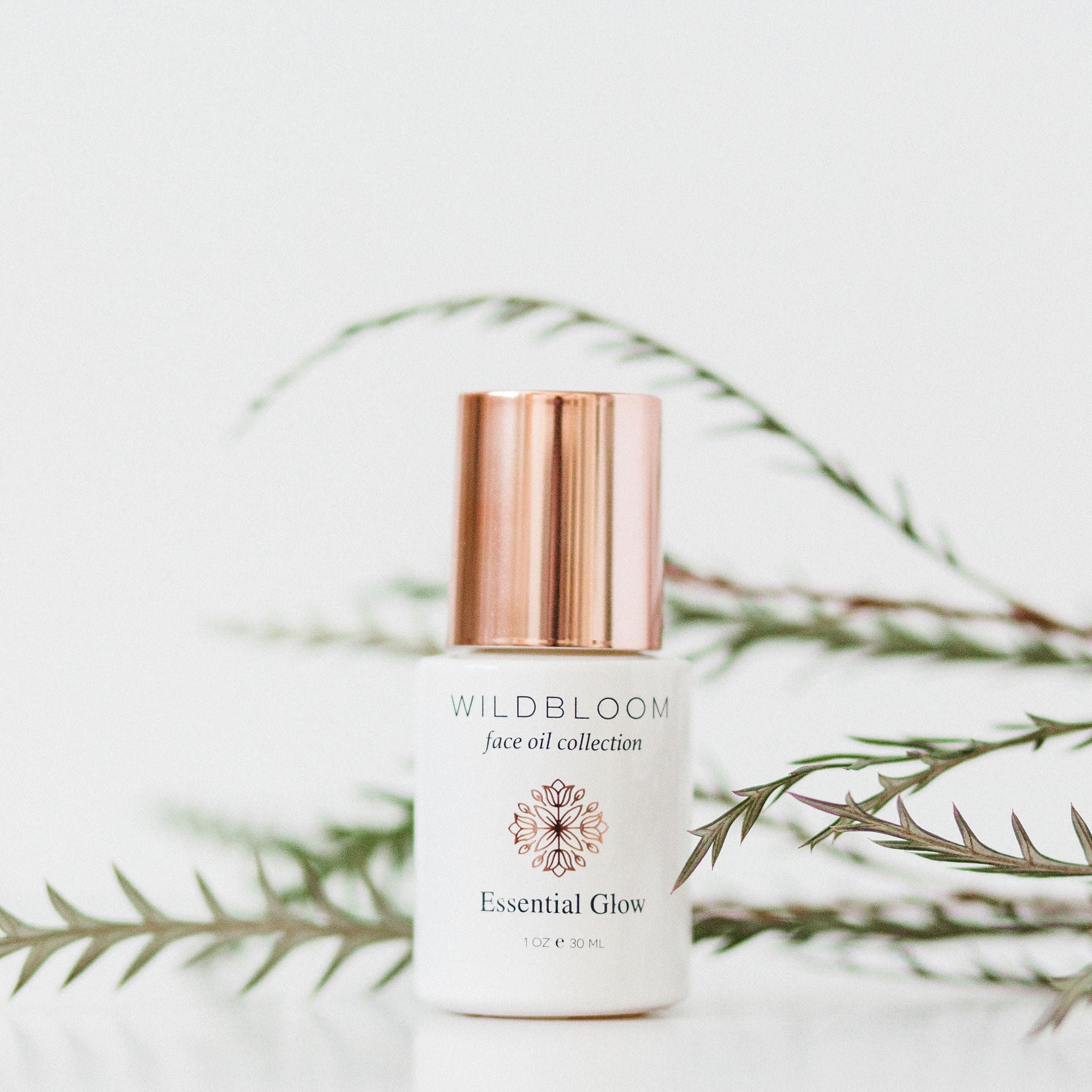
A simple aging-skin routine needs only a gentle cleanser, a cranberry-based treatment, and sun protection. Add our Essential Glow Face Oil alongside cranberry seed oil to lock in moisture at night. Simple routines with fewer steps are a core part of how we approach skincare. Some people notice softer skin with steady use.
Shop WildBloom for Your Aging-Skin Routine
Ready to put cranberry seed oil to work? Browse our anti-aging collection to find products built for mature and sensitive skin. Our Cranberry Peptide Eye Cream pairs cranberry seed extract with vitamin C and a peptide complex to calm puffiness and smooth the look of lines around the eyes, and the Nighttime Renewal Collection bundles it with our Resurfacing Night Cream for overnight renewal.
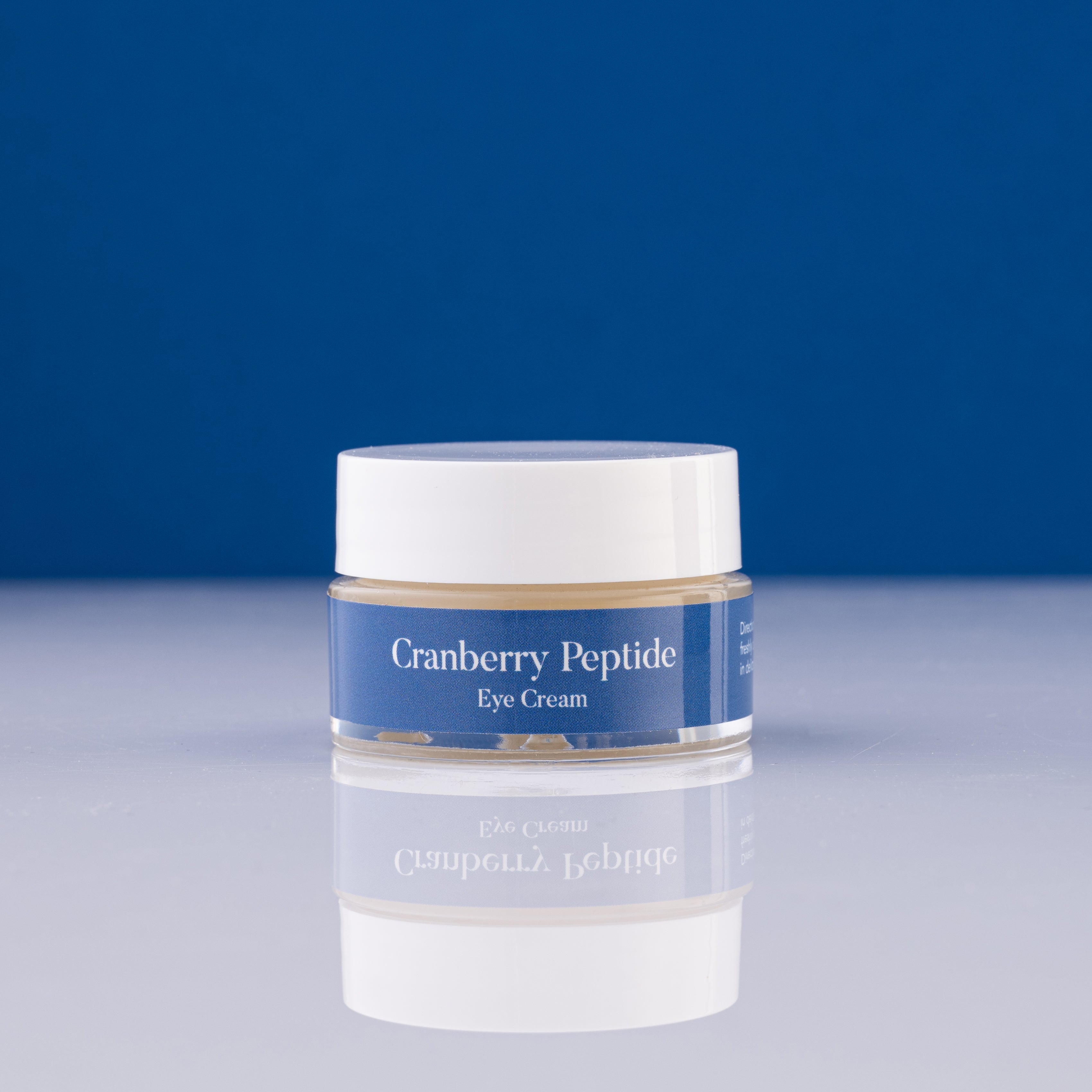
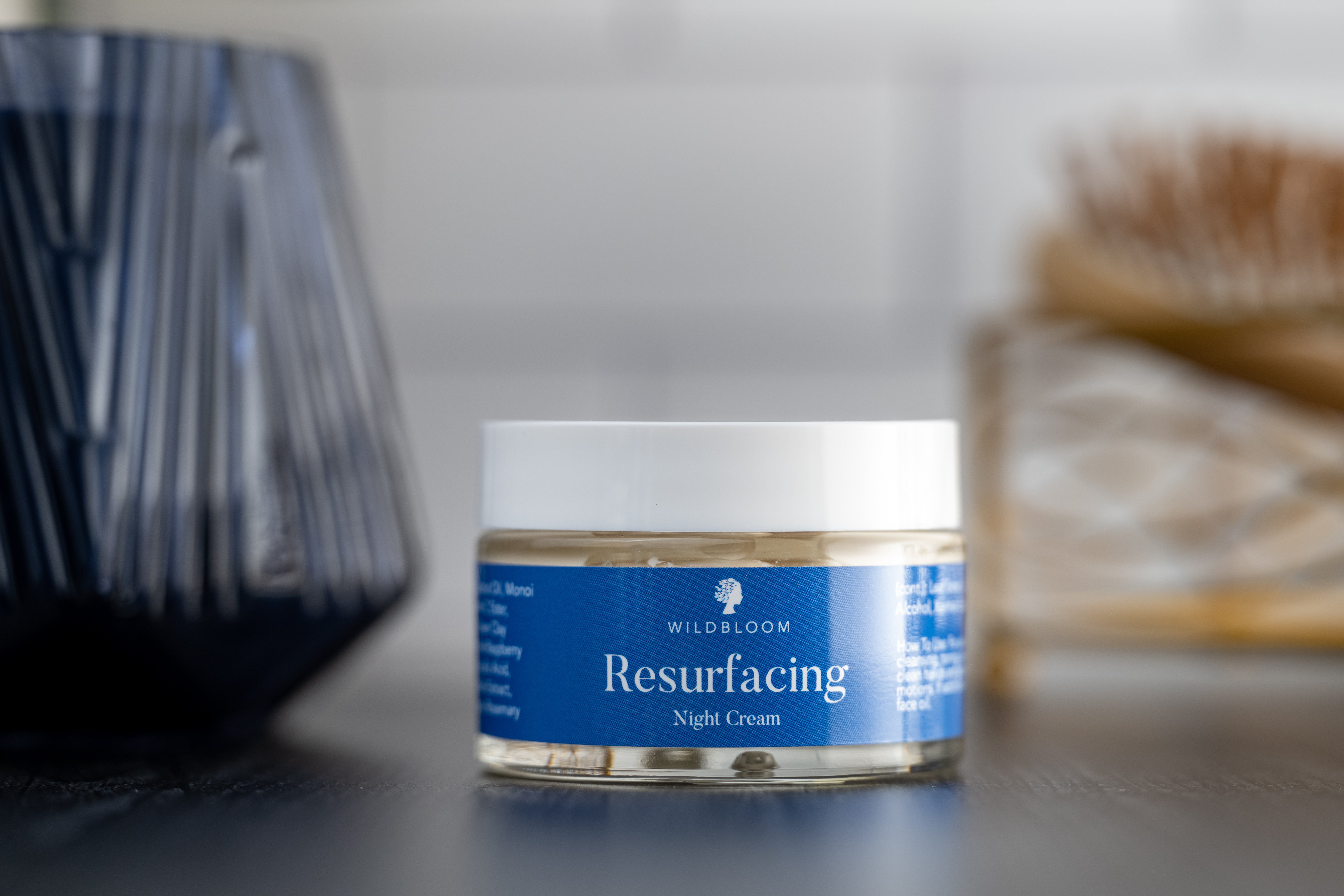
Aging skin asks for moisture and protection, and cranberry seed oil offers both without a complicated routine. WildBloom Skincare crafts small-batch, non-toxic formulas like our Cranberry Peptide Eye Cream and Resurfacing Night Cream to make that easy. Get started with WildBloom Skincare and give your skin a simpler, gentler path to a healthier glow.
Frequently Asked Questions
What does cranberry seed oil do for aging skin?
Cranberry seed oil is rich in essential fatty acids (omega-3, omega-6, and omega-9) plus vitamin E and polyphenols. For aging skin, these support the lipid barrier, help with moisture retention, and defend against free radicals and oxidative stress. Some people find skin feels softer with regular use. It is a supporting ingredient rather than a wrinkle eraser, so pair it with a consistent routine.
How long does it take to notice a difference from cranberry seed oil?
Most people notice improved hydration and a softer feel within the first week or two. Changes to skin texture and the appearance of fine lines generally take longer and vary from person to person. Results depend on your skin and how consistently you use your routine. Track your skin with photos in the same lighting so you can judge real change instead of guessing.
Can cranberry seed oil cause irritation or breakouts?
Plant oils can trigger reactions in sensitive skin. Do a patch test on your inner forearm for 24 to 48 hours before applying it to your face. If you are acne-prone, start with a small amount and watch for clogged pores. Stop using it if you see redness, itching, or swelling, and talk to a dermatologist if irritation persists.
How does cranberry seed oil compare with raspberry seed oil?
Both are lightweight plant oils high in essential fatty acids and antioxidants. Cranberry seed oil is often described as richer, while raspberry seed oil is often described as lighter. Neither replaces sunscreen. Choose based on how your skin feels: dry and mature skin often prefers cranberry seed oil, while oilier skin may lean toward raspberry seed oil.
