

Last Updated: November 21, 2026
Quick Summary
Stress affects skin because it triggers cortisol and other stress hormones that skin cells can respond to. These signals can weaken the skin barrier, increase inflammation, and change oil production, which can show up as dryness, redness, or breakouts.
- Cortisol rises more slowly than adrenaline but stays elevated longer.
- A weakened barrier loses water more readily and reacts more to irritants.
- Chronic inflammation is linked to redness and flare-ups in reactive skin.
- Stress is usually one contributor among several, not the sole cause.
- Give a new routine a few weeks before judging whether it works.
Table of Contents
- How Stress Reaches Your Skin Through Cortisol and Inflammation
- How Stress Weakens the Skin Barrier and Causes Dryness
- Why Stress Triggers Breakouts and Oil Changes
- Skin Conditions Linked to Stress and Anxiety
- Telling Stress-Related Skin Changes Apart From Other Causes
- How to Manage Stress-Related Skin Flare-Ups
- Your Next Step: Building a Calm, Gentle Routine With WildBloom
- Frequently Asked Questions
How Stress Reaches Your Skin Through Cortisol and Inflammation
Stress does more than tire you out. It can show up on your face, too, as redness, breakouts, dryness, or skin that simply feels off. WildBloom Skincare has put together this guide to explain why stress affects skin and what you can do about it. The short answer is that stress triggers hormones and immune signals that can affect the skin (pubmed.ncbi.nlm.nih.gov).
When you feel stressed, your body releases hormones to help you respond. Your skin has receptors for these same signals, so it reacts too. Knowing the pathway makes it easier to understand the changes you see.
The stress-to-skin pathway, step by step
- The nervous system senses the stressor. Your brain registers a threat, a deadline, a conflict, a lack of sleep, and signals the hypothalamus to start the stress response.
- The endocrine system releases hormones. The hypothalamus signals the pituitary gland, which tells the adrenal glands to release cortisol. A second, faster branch releases adrenaline and noradrenaline within seconds. Cortisol rises more slowly but stays elevated longer.
- The immune system responds to those signals. Skin cells, including keratinocytes and fibroblasts, carry receptors for cortisol and for stress-related neuropeptides. When those receptors are activated, the skin shifts its behavior: repair slows, oil glands may produce more sebum, and immune cells release inflammatory signals.
- The skin barrier feels the effect. The outer layer loses water more readily, becomes more permeable to irritants, and turns more reactive. This is why stress often shows up first as tightness, stinging, or flushing.
A common pattern is skin that heals more slowly after a minor irritation, or that reacts to a product it tolerated fine a month earlier. That is the pathway in action, not a coincidence.
Why inflammation follows stress
Stress also sets off inflammation. Inflammation is your immune system's way of protecting the body, but it can become a problem when it stays switched on (Inflammation: The Cause of All Diseases). Chronic inflammation is linked to redness, flushing, and flare-ups in people with reactive skin, which is one reason stress affects skin so visibly.
Think of it this way: a stressed body is always on alert, and the skin often shows that alert state. Calming the body's stress response can help the skin settle, which is why a gentle routine matters so much during stressful periods.
What the evidence does and does not show
It is worth being precise about what research supports. , delayed wound healing, and flare-ups of conditions such as acne, eczema, and psoriasis is well documented in dermatology literature. What is less certain is causation in any single case: stress is usually one contributor among several, not the sole cause. Most practitioners treat stress as a modifier that can worsen an existing tendency rather than create a condition from nothing. That distinction matters when you are deciding whether to focus on stress management, a product change, or a medical evaluation.
How Stress Weakens the Skin Barrier and Causes Dryness
Your skin barrier is the outer layer that keeps moisture in and irritants out (ncbi.nlm.nih.gov).
Dryness from stress often looks like flaky patches, a tight feeling after washing, or skin that drinks up moisturizer and still feels thirsty. Many people notice this most in winter or during busy work periods.
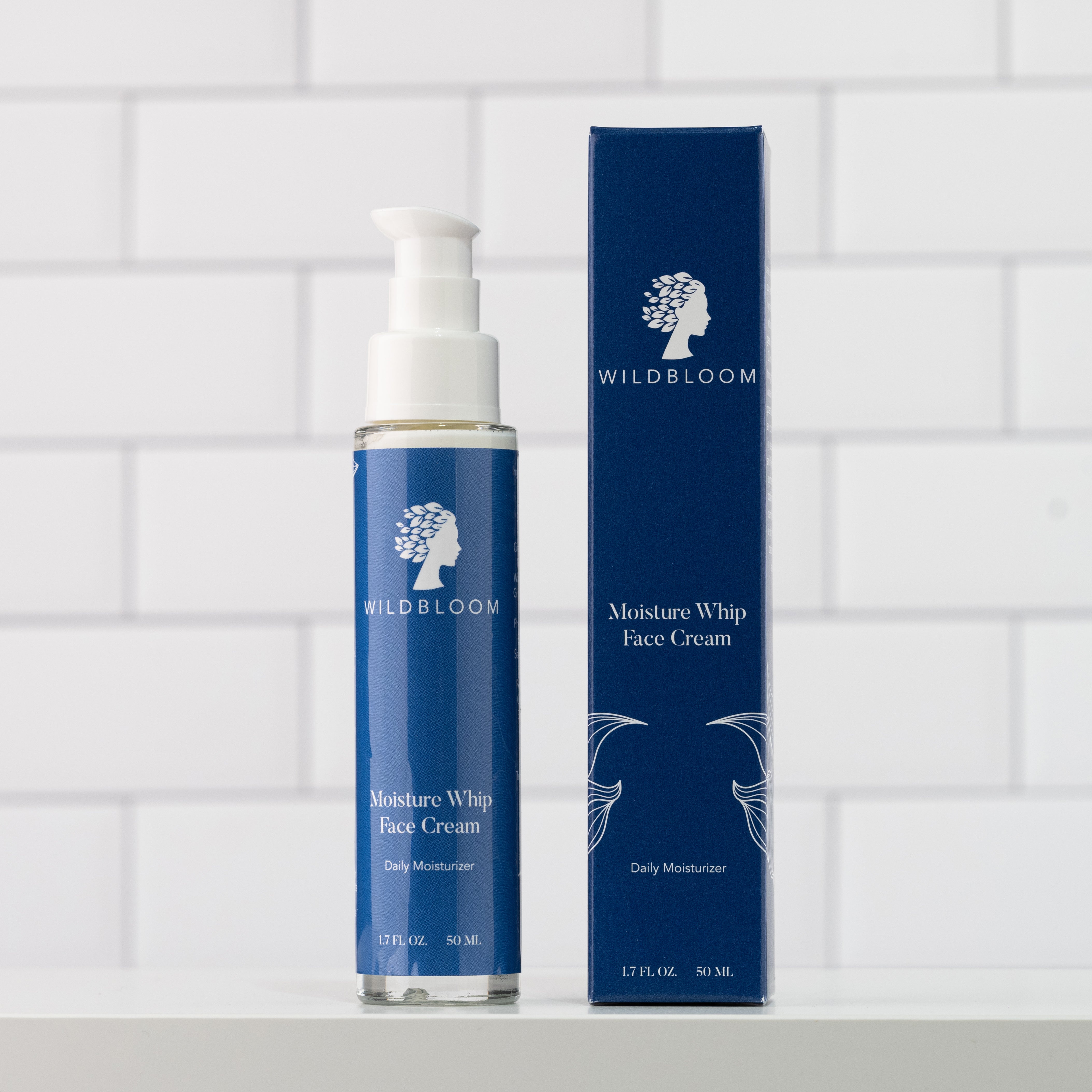
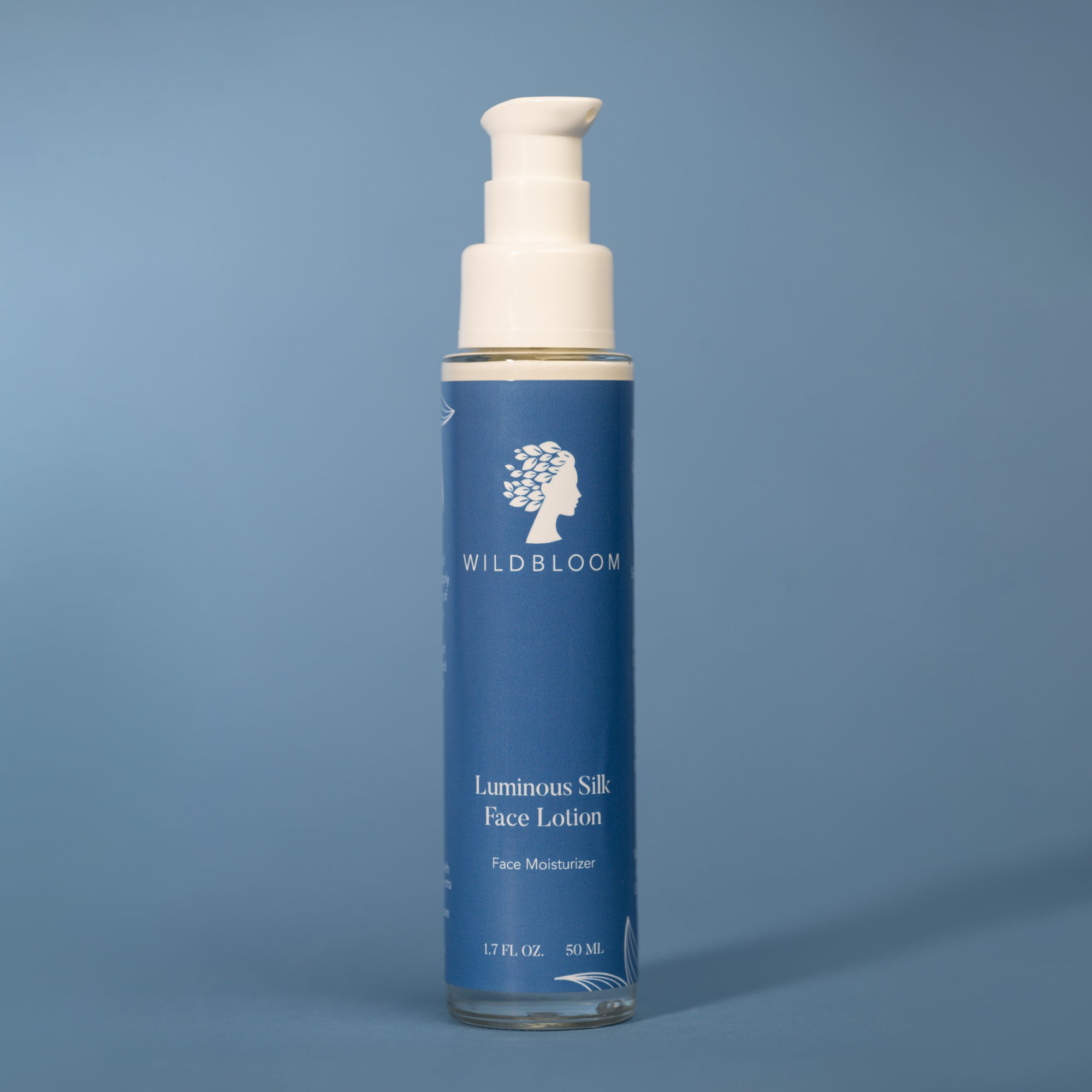
To support a stressed barrier, try a rich, nourishing moisturizer such as the Moisture Whip Face Cream, which is formulated for most skin types. For a lighter option that still hydrates daily, the Luminous Silk Face Lotion is a good fit.
- Use a gentle cleanser that does not strip oils
- Apply moisturizer while skin is still slightly damp
- Avoid harsh scrubs until dryness settles
Here is a quick summary of the common stress-related skin changes covered above and what to do about them.
| Skin change | Likely cause | What to do |
|---|---|---|
| Flaky patches or tightness | Weakened outer barrier losing moisture | Use a rich moisturizer while skin is slightly damp |
| Stinging or flushing | Barrier more reactive to irritants | Pause products that sting; use a gentle cleanser |
| Skin still thirsty after moisturizer | Barrier not holding water | Avoid harsh scrubs until dryness settles |
| Breakouts or extra oil | Stress-driven changes in oil glands | Give a new routine a few weeks before judging it |
| Symptoms that keep worsening | Possible other cause or condition | See a dermatologist or clinician |
Why Stress Triggers Breakouts and Oil Changes
Stress can also change how much oil your skin makes.
This does not mean every breakout comes from stress. Hormones, diet, sleep, and skincare habits all play a part. Still, many people notice that their skin gets worse when their stress level rises.
Watch out: picking at breakouts or switching products every few days can make stress-related acne worse. Give a new routine a few weeks before judging it.
Skin Conditions Linked to Stress and Anxiety
Stress is often linked to flare-ups in conditions that were already present. People with eczema, psoriasis, or rosacea may notice that their symptoms worsen during stressful periods.
Stress can also contribute to itching, hives, and general skin sensitivity. These symptoms are common, and they can feel frustrating. A dermatologist can help sort out what is driving your symptoms and how to treat them.
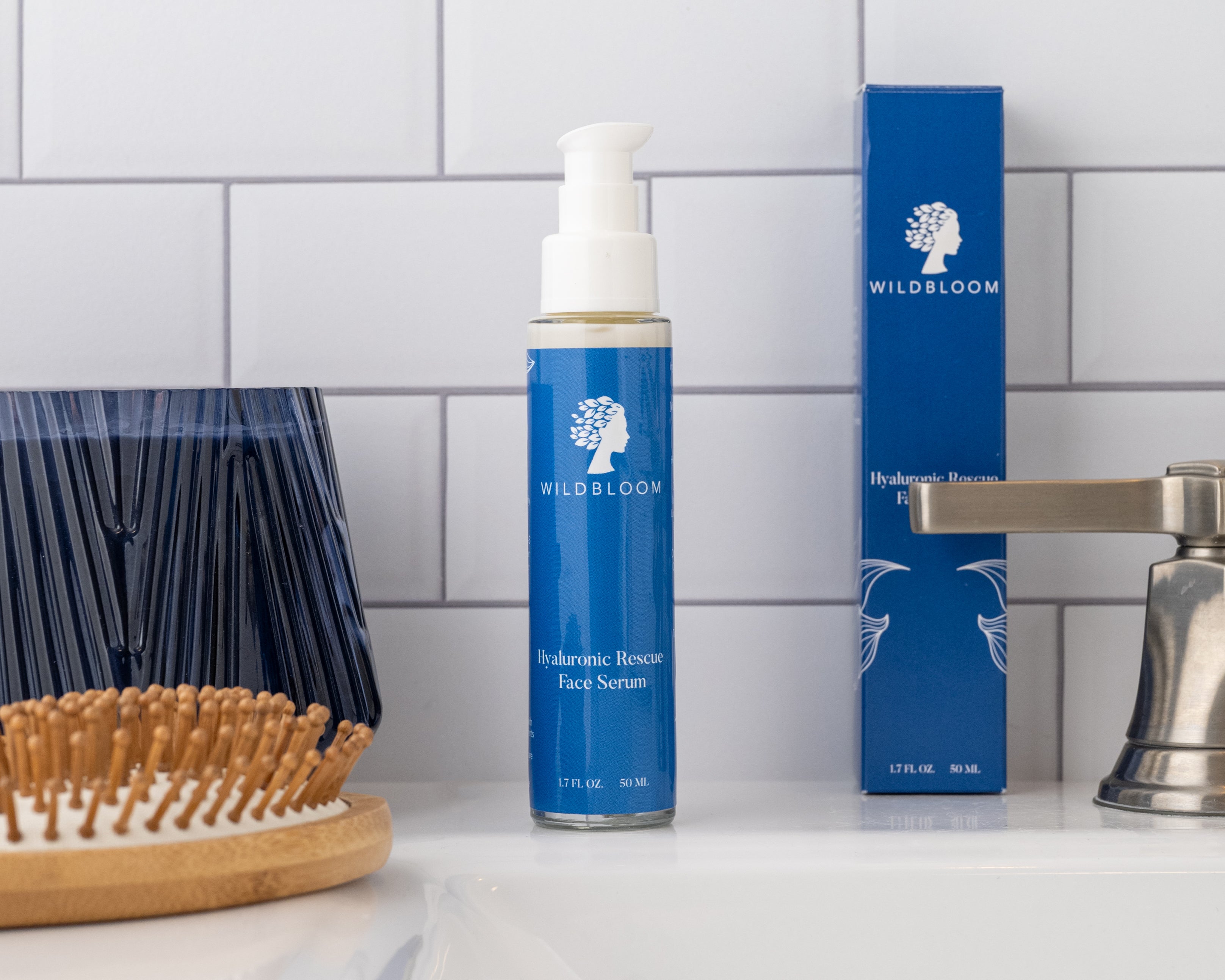
If your skin is sensitive, the Hyaluronic Rescue Face Serum is fragrance-free and is described for sensitive, aging and problematic skin. Look for products made for sensitive skin when your skin is reacting.
Telling Stress-Related Skin Changes Apart From Other Causes
Not every skin change comes from stress. Allergies, infections, medication side effects, weather, and hormonal shifts can all look similar. Paying attention to patterns can help you tell the difference.
Stress-related changes often appear during or just after a stressful period, and they tend to fade as life calms down. Changes that keep getting worse, spread, or come with pain, fever, or bleeding need a professional look.
- Note when symptoms start and whether they follow stressful periods
- Track new products, foods, and medications alongside your skin
- Keep a simple photo log to see changes over weeks
Normal sensitive skin and stress-reactive skin can overlap. Products formulated for sensitive skin, such as Normal Sensitive, may be a gentler place to start while you watch your patterns.
How to Manage Stress-Related Skin Flare-Ups
Managing stress-related flare-ups starts with calming both your routine and your stress level. The steps below are practical and easy to try, even on a busy day. They are ordered by priority, so start at the top and add steps as you are able.
!A woman in her 30s gently massages a few drops of serum onto her cheek at a bright bathroom sink during a calm morning routine.
Step 1: Simplify your routine before you add anything
Keeping your routine simple can make skin care easier to manage. Consider a gentle cleanser, a serum, and a moisturizer, and pause any product that stings on contact.
Step 2: Support the barrier with consistent hydration
Cleanse with lukewarm water, apply a calming serum to slightly damp skin, and seal it with moisturizer. For a serum option, the Hyaluronic Rescue Face Serum is designed for redness and inflammatory responses and is fragrance-free. A richer moisturizer such as the Moisture Whip Face Cream helps when dryness is the main complaint.
Step 3: Lower the stress response itself
Skin care alone will not resolve a stress-driven flare if the stressor keeps firing. Short walks, regular sleep, and slow breathing all help lower the stress response that shows up on your skin. Even ten minutes a day can make a difference over time. The goal is consistency rather than intensity.
Step 4: Track what you change and when
Keep a simple log of stress levels, symptoms, new products, and flare patterns so you can see whether a change is helping. A photo taken in the same light each week is often more reliable than memory.
Step 5: Know when to stop self-managing
Some symptoms need professional evaluation rather than a routine tweak. Contact a clinician if skin changes are severe, persistent beyond a few weeks, spreading, or accompanied by pain, fever, or signs of infection such as warmth, pus, or red streaks. Also seek care if a flare does not respond to gentle care or keeps returning in the same spot.
For a full routine guide, read How To Calm Skin Redness Naturally At Home, which covers gentle steps you can try right away.
Your Next Step: Building a Calm, Gentle Routine With WildBloom
A calm, simple routine can help you care for your skin during stressful periods. At WildBloom Skincare, we recommend starting simple: a gentle cleanser, a calming serum, and a rich moisturizer. If you want to explore a complete routine, What Is the Best Exfoliating Mask for Smoother Skin? is a practical next read.
Frequently Asked Questions
What are the signs and symptoms of chronic stress on the skin?
Chronic stress often shows up on the skin as persistent dryness, redness, sensitivity that comes and goes, slower healing of small cuts or blemishes, and breakouts that appear along the jawline or chin. Because stress hormones stay elevated over weeks or months, these changes tend to linger rather than clear up in a day or two. If several of these signs appear together and no other cause is obvious, stress is a reasonable suspect, though a dermatologist can help confirm what is happening.
How do I stop stress acne?
Stress acne improves most reliably when you reduce the triggers you can control. Keep your routine gentle with a fragrance-free cleanser, use a lightweight moisturizer, and avoid picking at breakouts. The Hyaluronic Rescue Face Serum at $52.00 is fragrance-free and is described for skin prone to redness and inflammation. Persistent or painful acne should be evaluated by a dermatologist rather than managed with products alone.
Can stress and anxiety cause skin problems like eczema or psoriasis?
Stress does not create eczema or psoriasis from nothing, but it can trigger flares in people who already have these conditions. If you have a diagnosed skin condition, keep your treatment plan going and talk to a dermatologist about flare patterns. Gentle, consistent skincare helps many people feel more comfortable during stressful periods.
When should I see a dermatologist about stress-related skin changes?
See a dermatologist if skin changes last more than a few weeks, spread quickly, cause pain or bleeding, show signs of infection such as warmth or pus, or come with hair loss or unexplained patches. A professional can rule out other causes such as allergies, hormonal shifts or medical conditions. Bring a simple log of when flare-ups happen and what your routine looked like, since this often helps the appointment go faster.
