

Table of Contents
- Why Patch Testing a New Face Serum Matters
- How to Patch Test a New Face Serum at Home, Step by Step
- Where to Patch Test Skincare Products on Your Body
- How Long to Patch Test Skincare Before Using It on Your Face
- Signs of a Reaction to a New Skincare Product
- Irritation Versus Allergic Reactions: When to Stop and Get Help
- Booking Your Next Serum With Confidence
- Frequently Asked Questions
Why Patch Testing a New Face Serum Matters
Last Updated: November 21, 2026
Learning how to patch test a new face serum takes about two minutes of effort and can save your skin from a week of irritation. A simple rule is worth following: test first, then commit. A patch test checks whether your skin reacts to a product before you spread it across your whole face.
Your face is one of the most sensitive areas on your body. The skin there is thin, and it sees a lot of action from sun, wind and daily cleansing. A new serum can sting, redden or itch if your skin does not agree with one of its ingredients. Testing a small spot first lets you find that out somewhere less visible.
A patch test is a small trial of a product on a discreet area of skin, used to watch for a reaction before full use (the American Academy of Dermatology). It is a common step for anyone with sensitive skin, and it is worth doing even if you have used skincare for years.
Here is what this guide covers:
- How to run a patch test at home, step by step
- Where on your body to test a face serum
- How long to watch the test spot before you start using the product on your face
- The signs of a reaction, and when to stop and get help
How to Patch Test a New Face Serum at Home, Step by Step
Follow these steps to test a serum safely. The whole process takes a few minutes, plus a waiting period. Because a serum is a leave-on product, the test should mirror how you will actually use it, same amount, same frequency, same placement in your routine, so the result means something.
- Wash and dry the test area. Use lukewarm water and a gentle cleanser. Pat the skin dry so the serum goes on clean skin. Do not exfoliate, shave, or apply any other active to the spot on the day you start.
- Pick a small test spot. A patch about the size of a quarter is enough. See the next section for good locations.
- Apply a thin layer. Use the amount you would normally use on your face. Serums are typically highly concentrated, so a small amount goes a long way. Warm a small drop between your fingertips and press it gently into the skin. For the test spot, a single drop is enough, do not double up to "make sure."
- Leave it on. Do not rinse it off for at least 24 hours. Keep the spot dry and avoid rubbing it. If you normally apply moisturizer over your serum, apply a plain, fragrance-free moisturizer over the test spot too, so you are testing the serum in its real layering context.
- Check the spot. Look for redness, itching, burning, swelling or small bumps. Note the time you applied and the time you checked, a simple note on your phone is enough.
- Repeat for a few days. Many people test for several days, applying the serum to the same spot once or twice a day. Keep the rest of your routine unchanged during this window.
Watch out: Do not test a new serum on broken, sunburned or freshly shaved skin. These areas react more strongly and can give you a false result. Also avoid testing two new products at the same time, if a reaction appears, you will not know which one caused it.
Keep a simple reaction log. For each application, record the date and time, how much you used, where you applied it, and any symptoms (redness, itching, stinging, bumps, swelling). A photo taken in the same lighting each day is more reliable than memory. If a reaction develops, stop using the serum, wash the area with lukewarm water, and note the time symptoms started and how long they lasted. Bring the log and the product packaging to a dermatologist if the reaction does not clear within a few days.
Once the test spot stays calm, you can start using the serum on your face. Begin with every other day, then move to daily use as your skin tolerates it. Introduce only one new serum at a time, and wait at least a week before adding another product, so you can tell what your skin is responding to.
Where to Patch Test Skincare Products on Your Body
Choose a spot that is easy to check and not on your face. These are the most common picks:
- Inner forearm: Easy to see and easy to check. Many people start here.
- Inner elbow: The skin is thin, so it shows reactions quickly.
- Behind the ear or along the jawline: Closer to your face, so it tells you how the skin in that area might react. Use it only if you feel comfortable testing there.
- Back of the knee: Hidden and sheltered, which can be good for a longer test.
Avoid testing on dry, damaged or very hairy skin. Keep the spot clean and free from other products while you wait.
How Long to Patch Test Skincare Before Using It on Your Face
There is no single official timeline for a patch test, and the protocols you see online differ in what they can actually tell you. A short check and a longer repeated-use test answer different questions, so it helps to know which one you are running.
The 24-hour check. Apply the serum once to the test spot and check it after 24 hours. This catches fast reactions, immediate stinging, redness, or hives, but it will miss delayed reactions that take a few days of repeated exposure to appear.
The 7- to 10-day repeated-use test. Apply the serum to the same spot once or twice a day for 7 to 10 days, checking each time. This is closer to how you will actually use a leave-on serum and is more likely to surface delayed irritation or a developing allergic response. Many people prefer this longer window before moving to the face.
What each protocol can and cannot establish. A 24-hour check can rule out a fast reaction to a single application. A 7- to 10-day test can catch delayed irritation and some allergic responses, but neither protocol can rule out a reaction that only appears on the face, a reaction triggered by combining the serum with other products, or sensitivity that builds over weeks of daily use. A calm test spot is a good sign, not a guarantee.
Here is a simple timeline that combines both:
- Day 1: Apply the serum to the test spot once. Check it after 24 hours.
- Days 2 to 3: Apply again each day, and check the spot each time.
- Days 4 to 7: If the spot stays calm, continue daily application and keep checking. If you want the longer protocol, extend to day 10 before moving to the face.
- After the test window: If the spot stays calm, start using the serum on your face every other day, then move to daily use as your skin tolerates it.
Watch out: Reactions can take longer to show up than the test window. Some people notice itching or redness only after a few days of repeated use, and a reaction that appears after you move to the face is still possible even after a clean test. Start slowly, keep watching your skin, and stop the serum if a reaction develops.
If you have a known allergy, damaged skin, or a history of reactions to skincare, check with a dermatologist or your doctor before testing.
Signs of a Reaction to a New Skincare Product
A mild response is common in the first few uses, but some signs mean you should stop the product. Watch for:
- Redness that spreads beyond the test spot
- Itching or burning that does not fade
- Stinging that lasts longer than a few minutes
- Small bumps, hives or a rash
- Swelling, especially around the eyes or lips
- Dry, flaky or peeling skin that gets worse over time
If you see any of these, wash the area with lukewarm water and stop using the product. Keep the packaging so you can check the ingredient list. If you are looking for a gentler option for your morning routine, see our guide to face tonics for morning skincare.
Irritation Versus Allergic Reactions: When to Stop and Get Help
Irritation and allergic reactions can look alike, but they are different.
- Irritation is the most common reaction. It usually shows up as stinging, dryness or mild redness, and it often fades once you stop the product.
- An allergic reaction can cause itching, hives, a rash or swelling. It can appear hours or days after first use. If your skin is irritated, you can compare soothing and gentle foaming cleansers to find one suited to sensitive skin.
Stop using the product right away if you notice itching that spreads, hives, swelling of the face or lips, or trouble breathing. Seek medical help immediately if you have trouble breathing or swelling of the throat. For any reaction that does not clear up within a few days, talk with a dermatologist or your doctor.
A negative patch test does not guarantee that a serum will be safe for every part of your face. Keep watching your skin during the first few weeks of use.
Booking Your Next Serum With Confidence
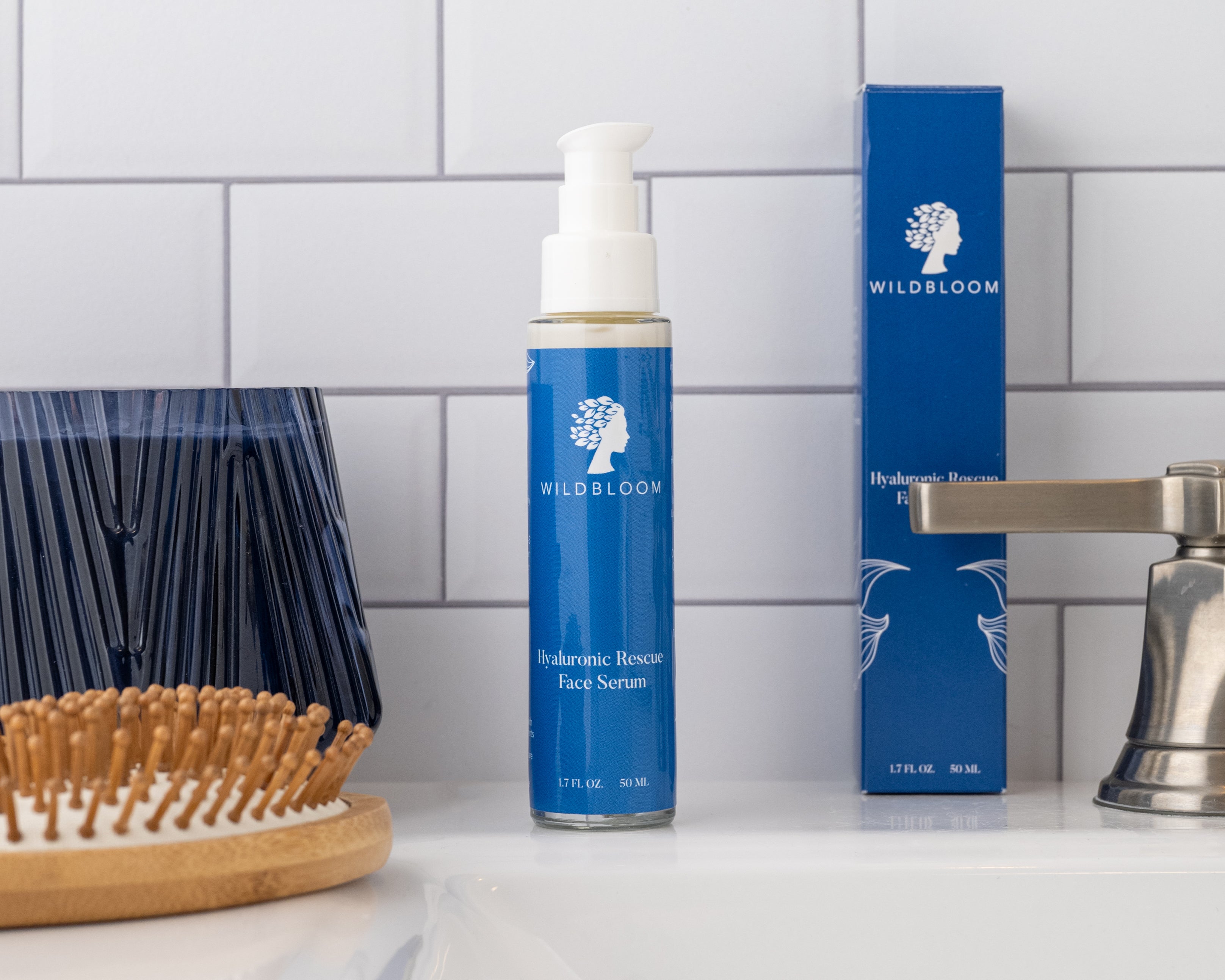
Once a serum passes your test, you can enjoy it with more confidence. You can look at the Hyaluronic Rescue Face Serum to see its full ingredient list and how it is meant to be used. If you have sensitive skin, consider starting with a simple, fragrance-free option. Our Hyaluronic Rescue Face Serum ($52.00) is fragrance-free and paraben-free, and it is formulated for sensitive, aging and problematic skin. A slight tingle upon application is normal, but if it feels like you have a mask on, you have used too much.
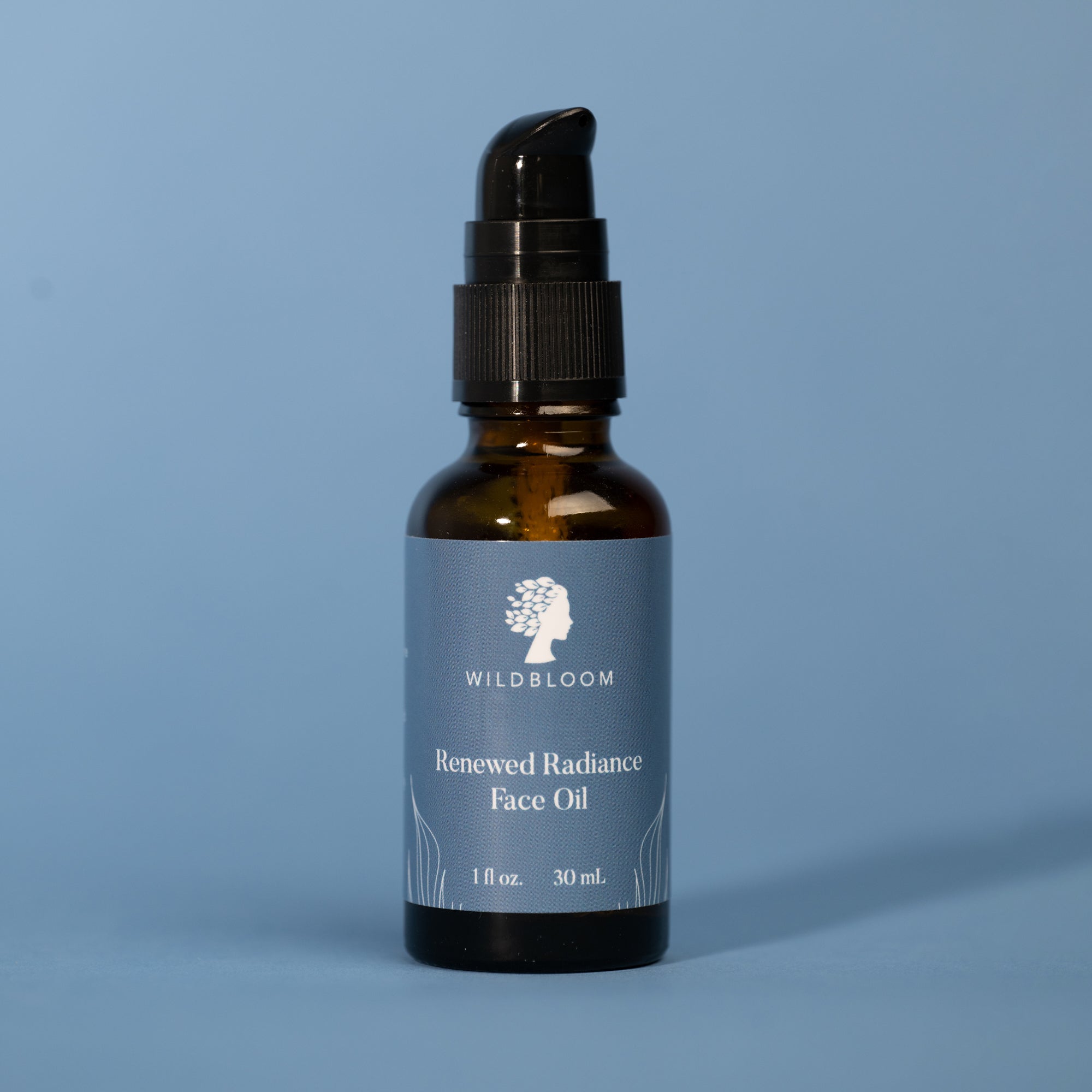
For a daily option, you can also explore our Renewed Radiance Face Oil ($18.00), which is designed for daily use on a clean face. Looking for a choice for younger, breakout-prone skin? Try the 'bloom Daphne Clear Confidence Renewal Oil ($13.00), which is formulated specifically for young, breakout-prone skin.
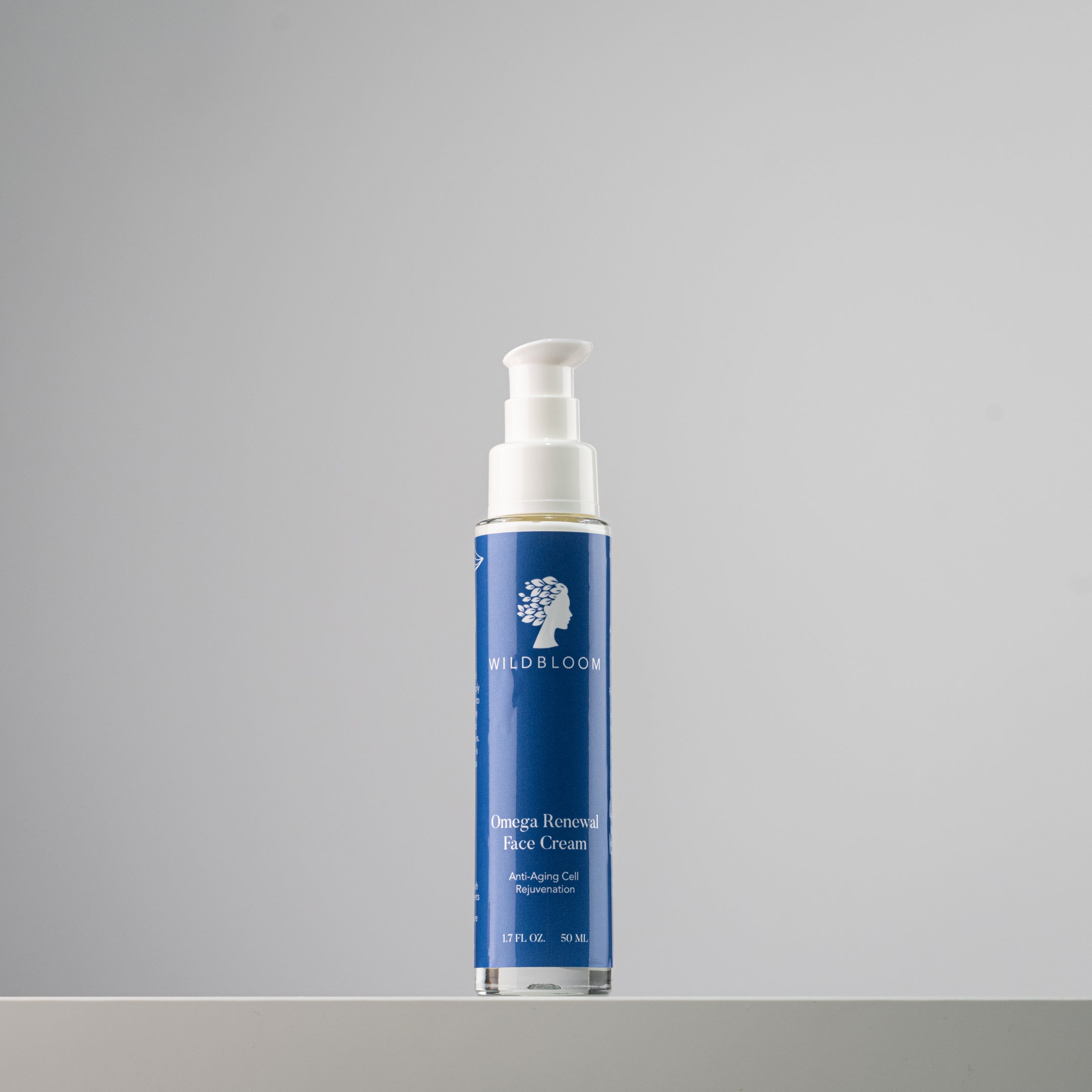
Testing each new product first can help you start with more confidence. You can browse the full collection on our site and find the right fit for your skin. If you are ready to choose your next serum, you can browse the Omega Renewal Face Cream as an alternative.
Frequently Asked Questions
How do I patch test a new face serum?
Clean the test area, apply a small amount of the serum to a spot such as the inner elbow or behind the ear, and leave it on without rinsing unless the product directions say otherwise. Keep the area dry and avoid rubbing or washing it. Check the spot at intervals over the following days. A WildBloom serum such as the Hyaluronic Rescue Face Serum is highly concentrated, so use only a small amount for the test, just as you would for your face.
How long should I patch test a face serum?
Most people monitor a patch test for at least 24 hours, and many keep watching the area for several days before moving the serum to the face. Because reactions to some ingredients can take longer to appear, a short wait does not guarantee safety. If the test area stays calm, you can introduce the serum gradually to your face, using it once a day at first and then increasing as your skin tolerates it.
Can I patch test a serum if I have acne-prone or sensitive skin?
Yes, and people with acne-prone or sensitive skin benefit from patch testing even more. Choose a discreet area, apply a small amount, and watch closely for redness, itching, burning, or swelling. Simple formulas with fewer ingredients make it easier to identify the cause if a reaction develops. If you are using prescription or active treatments, or you have a history of skin conditions, check with a dermatologist before adding a new serum.
Does passing a patch test mean a serum will not irritate my face?
No. A patch test that shows no reaction lowers the risk of a problem but does not guarantee that the serum will be safe on your face. The face is often more sensitive, and a product may cause irritation only when used more often or combined with other products. Keep introducing the serum slowly and stop using it if redness, stinging, or a rash appears.
