

Last Updated: November 12, 2026
Quick Summary
The best exfoliating mask for most people is the Glycolic Recharge Mini Peel Mask, which uses 5% glycolic acid with English rosewater and konjac plant root to smooth dullness, fine lines, and uneven tone. Use it once or twice a week, and choose the Enzyme Activator if your skin is sensitive.
- Chemical exfoliants use acids or enzymes; physical exfoliants use friction from beads, grains, or polishes.
- The Glycolic Recharge Mini Peel Mask is priced at $46.00 for 30 g.
- The Enzyme Activator is a gel mask with papaya and pineapple enzymes for sensitive skin.
- Never use an exfoliating mask the same night as retinoids or strong actives; space them by a day.
- Apply a thin layer for 10 to 20 minutes, rinse with cool water, then moisturize and wear SPF.
Table of Contents
- What an Exfoliating Mask Actually Does for Skin Texture
- How We Chose the Best Exfoliating Face Mask
- The Best Exfoliator for Sensitive Skin Dermatologist Recommended
- The Best Exfoliator for Dry Skin Dermatologist-Backed Guidance
- Choosing an Exfoliating Face Mask for Sensitive Skin
- How to Use an Exfoliating Mask Without Irritation
- Shop WildBloom for Smoother-Looking Skin
- Frequently Asked Questions
What an Exfoliating Mask Actually Does for Skin Texture
An exfoliating mask is a rinse-off treatment that loosens and lifts dead skin cells from the surface, revealing smoother, brighter skin underneath. Exfoliation is less about scrubbing away a problem and more about clearing a path for everything you apply afterward. Surface buildup of dead skin cells makes skin look dull, rough, and uneven in tone. It also blocks serums and moisturizers from absorbing well.
The results show up in texture first. Smoother skin reflects light more evenly, which is why a good exfoliating mask makes skin look more luminous before it does anything else. Fine lines appear softer, pores look less noticeable, and makeup sits better. The trade-off is that exfoliation is a form of controlled stress. Push too hard, too often, or with the wrong formula, and you get redness, tightness, and irritation instead of glow.
That balance is the whole game. Below, we break down how chemical and physical exfoliation differ, how we chose the best exfoliating masks for smoother-looking skin, and how to use one without waking up irritated.
Chemical vs. Physical Exfoliation
Chemical exfoliation uses acids or enzymes to dissolve the bonds holding dead skin cells together. Physical exfoliation uses friction, from beads, grains, or polishes, to lift those cells away.
Chemical exfoliants fall into two families. Alpha hydroxy acids like glycolic acid and lactic acid work on the surface and suit dullness and uneven tone. Beta hydroxy acid, most commonly salicylic acid, is oil-soluble and gets into pores, which is why it shows up in acne-focused formulas. Fruit enzymes, such as papaya and pumpkin, digest dead skin cells more gently than acids and are a good entry point for reactive skin. If you want to see what an enzyme mask looks like in practice, our Pumpkin Enzyme Mini Peel is a good place to start.
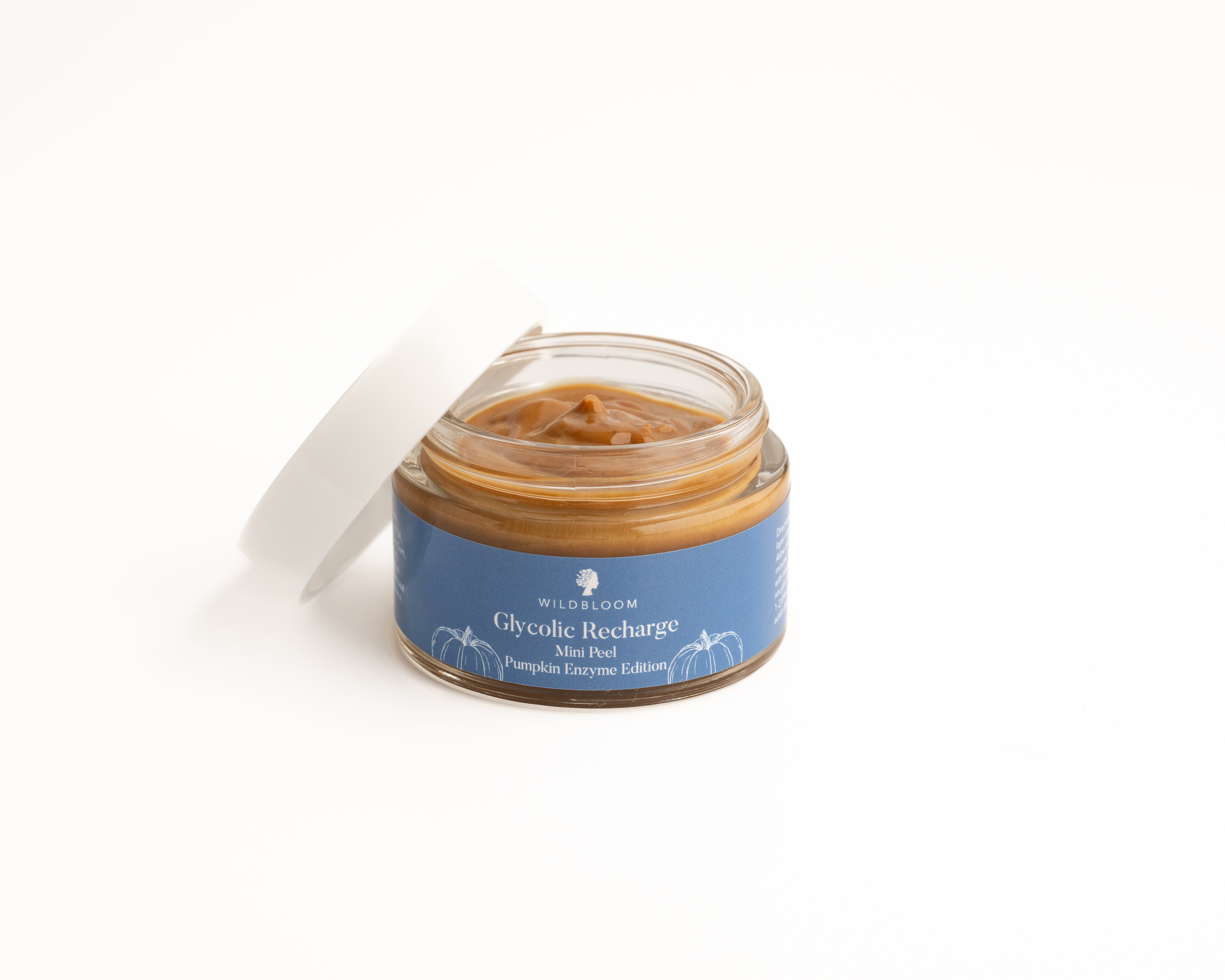
Physical exfoliants are simpler but easier to overdo. Jojoba beads and fine grains are far gentler than crushed shells or coarse scrubs. The mistake we see most often is combining both types in the same routine and then wondering why skin stings.
How We Chose the Best Exfoliating Face Mask
We built this list around four criteria, and we applied them the same way to every product. Formula type and active ingredient came first, because an exfoliating mask is only as good as its exfoliant. Second, we looked at what else is in the jar: soothing ingredients like rosewater, aloe, and konjac root matter when the exfoliant is doing real work. Third, we weighed price per use, since a 30 ml jar used once or twice a week lasts far longer than the number on the label suggests. Last, we factored in who the formula is actually for, because a mask that suits oily, breakout-prone skin can be a poor fit for dry or sensitive skin.
To make the comparison useful, we scored each mask on the same five-point rubric: exfoliant type and strength, cushioning ingredients, fragrance status, texture and rinse time, and cost per treatment. The WildBloom exfoliating masks listed here are fragrance-free and vegan, and the brand describes its products as cruelty-free and made in small batches.
Our top pick for most people is the Glycolic Recharge Mini Peel Mask. It uses 5% glycolic acid to promote cell turnover, English rosewater to reduce inflammation, and konjac plant root to accelerate the regeneration process. It is priced at $46.00 for 30 g.
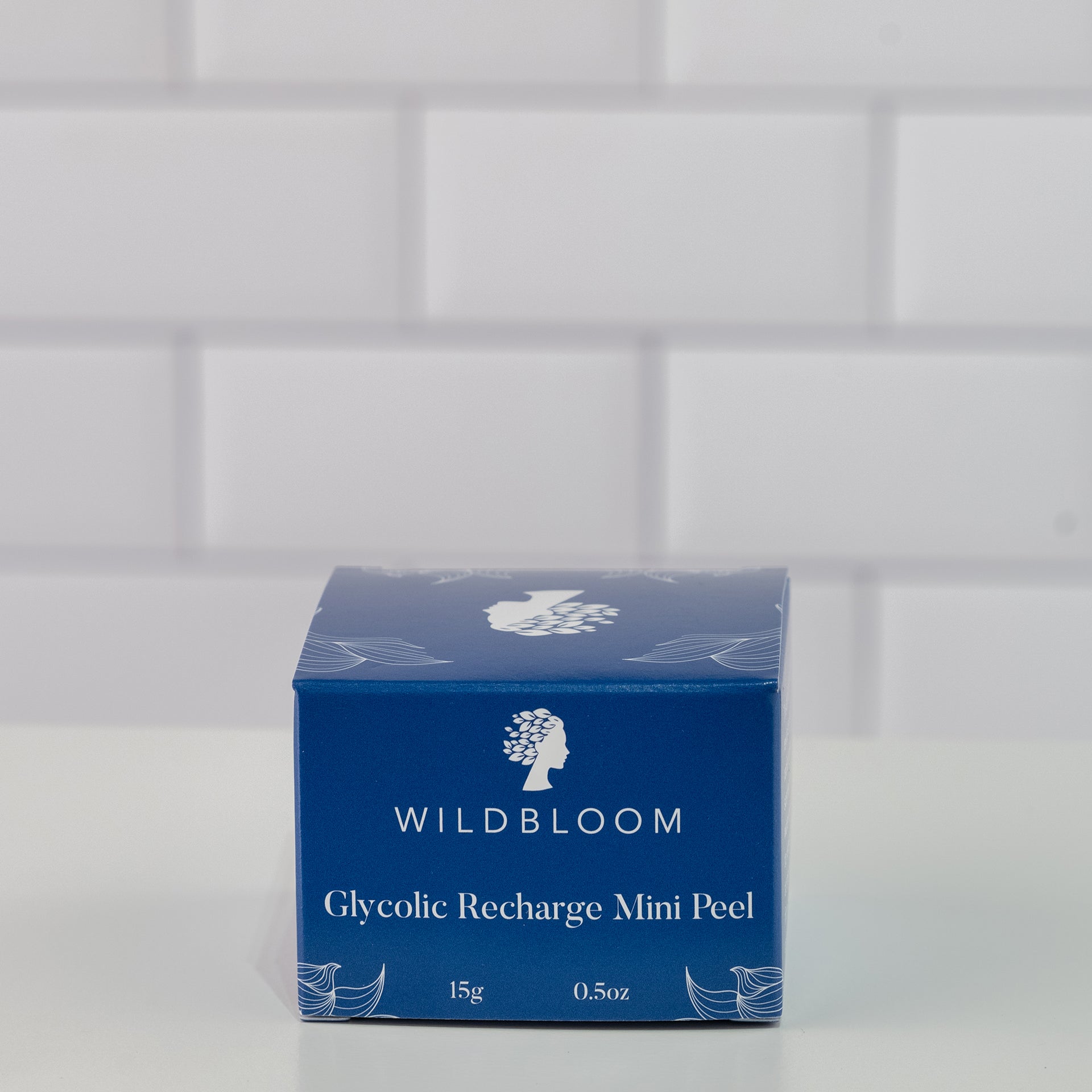
| Product | Active Exfoliant | Strength | Best For | Texture and Rinse Time | Price |
|---|---|---|---|---|---|
| Glycolic Recharge Mini Peel Mask | 5% glycolic acid | Moderate | Dullness, fine lines, uneven tone | Gel-cream, 10-15 minutes | $46.00 |
| Pumpkin Enzyme Mini Peel | Pumpkin enzymes plus glycolic acid | Gentle to moderate | Occasional breakouts, teens and tweens | Cream, 10-15 minutes | $46.00 |
| Enzyme Activator | Papaya and pineapple enzymes | Gentle | Sensitive skin, all skin types | Gel, 10-20 minutes | $42.00 |
Price
A note on strength: 5% glycolic acid sits in the moderate range for an at-home peel, strong enough to produce visible smoothing over several weeks but mild enough for most skin types to tolerate once or twice weekly. Enzyme masks rely on proteolytic enzymes that digest dead skin cells without the same acid sting, which is why they suit reactive skin. None of these masks should be used on the same night as retinoids or other strong actives; space them out by at least a day.
Watch out: if a mask stings beyond a mild tingle, rinse it off immediately rather than waiting out the clock. Burning is a signal to stop, not a sign the product is working harder.
The Best Exfoliator for Sensitive Skin Dermatologist Recommended
For sensitive skin, an enzyme-based mask is generally a gentler starting point than an acid peel. Our pick is the Enzyme Activator, a gel mask built on organic papaya and pineapple extracts for mild exfoliation. Aloe vera and plant-based cellulose soften and calm skin while it works, and the formula is vegan and fragrance-free.
Watch out: tingling is normal with acids, but burning is not. If a mask burns, rinse it off with warm water immediately and apply oil to the face. Do not push through it.
The Best Exfoliator for Dry Skin Dermatologist-Backed Guidance
Dry skin does best with exfoliation that is gentle and paired with soothing ingredients. The Pumpkin Enzyme Mini Peel combines pumpkin fruit purée and vitamins C and E with rosewater and sunflower seed oil.
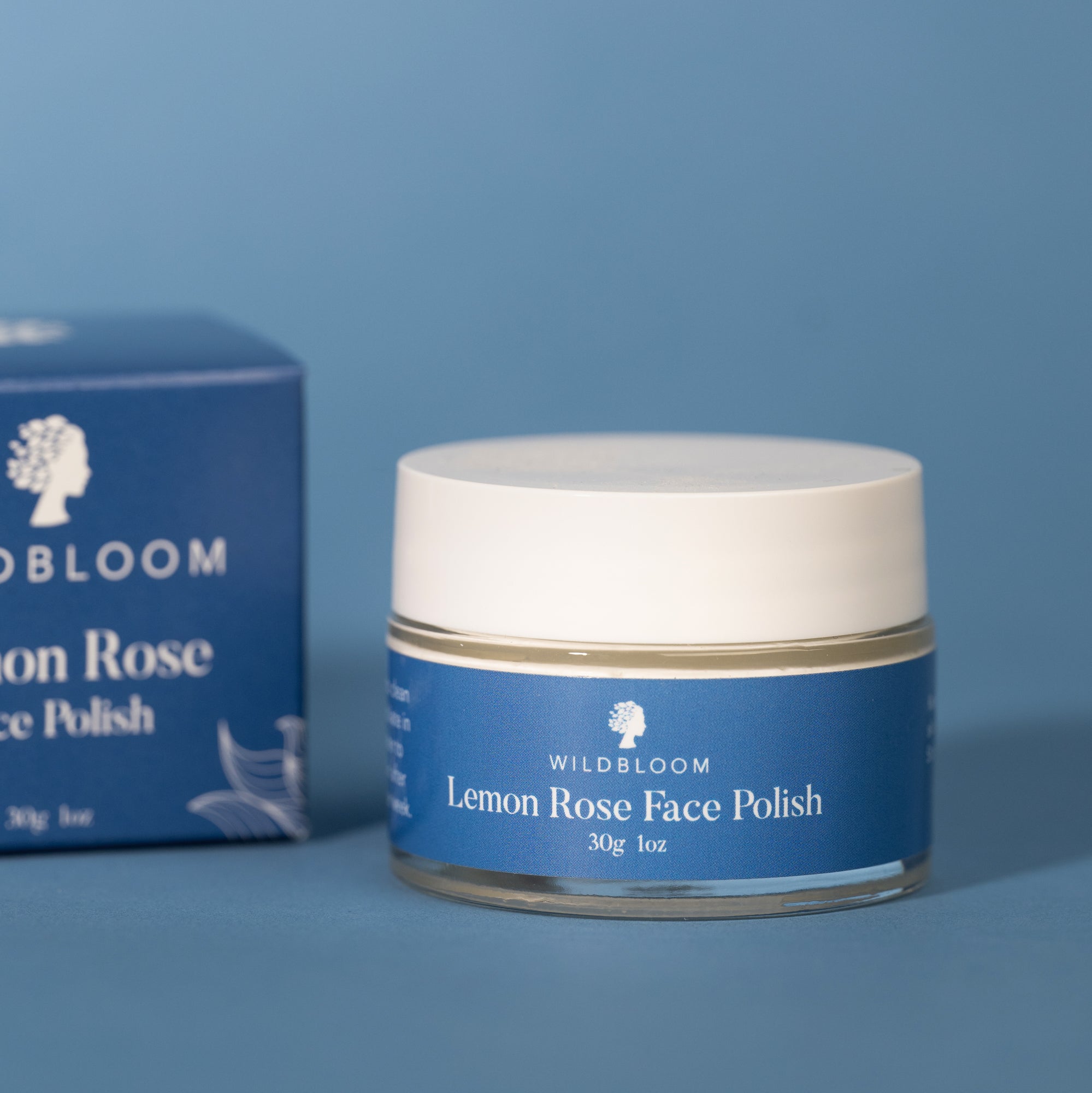
If your skin is dry and also sensitive, start with the Enzyme Activator and step up only once your skin has settled. For a physical option suited to dry skin, our Lemon Rose Face Polish lifts flakes with a finer touch than most grain scrubs.
Choosing an Exfoliating Face Mask for Sensitive Skin
Sensitive skin does best with short contact times, low-strength actives, and a patch test before the first full application. Fragrance-free formulas are worth prioritizing, since synthetic fragrance is a common trigger for reactions. Enzyme masks are usually the gentlest starting point, followed by low-percentage lactic or glycolic formulas once skin has adjusted.
A patch test takes two minutes. Apply a small amount behind the ear or on the inner forearm, leave it for the full application time, and rinse. Wait 24 hours. If there is no redness, itching, or swelling, you can proceed. If you are building a routine around reactive skin, our guide to skincare for sensitive skin over 40 walks through the full sequence.
What most guides skip is what to do when a mask goes wrong. If skin stings during application, rinse with cool water immediately and skip the rest of your actives that night. If redness persists after rinsing, avoid exfoliation for a few days and consult a dermatologist if burning, swelling, or a spreading rash develops.
Layering matters as much as the mask itself. Avoid using an exfoliating mask on the same night as other strong actives.
Watch out: tingling is normal with acids, but burning is not. If a mask burns, rinse it off with warm water immediately and apply oil to the face. Do not push through it.
How to Use an Exfoliating Mask Without Irritation
The ideal routine is once or twice a week, never more, with a thin layer and a strict rinse time. Here is the sequence we recommend:
- Cleanse skin as usual and pat dry.
- Apply a thin layer to face and neck, avoiding the eye area.
- Leave on for 10 to 20 minutes while the mask firms and tightens.
- Rinse with cool water.
- Tone, nourish, and protect with moisturizer and SPF.
Two rules matter more than any other. First, never layer an exfoliating mask with retinoids or other strong actives on the same night. Space them out by at least a day. Second, wear sunscreen during the day, because alpha hydroxy acids can increase sun sensitivity (the FDA). Our full walkthrough on how to use enzyme exfoliants covers timing and layering in more detail.
Shop WildBloom for Smoother-Looking Skin
Smoother skin comes from consistency, not intensity. Pick one exfoliating mask that matches your skin type, use it once or twice a week, and protect your skin with SPF every morning. That simple rhythm does more for texture than any ten-step routine.
WildBloom Skincare describes its formulas as made in small batches with non-toxic, plant-based ingredients. The exfoliating masks listed here are fragrance-free and formulated without parabens or phthalates. Consider the Glycolic Recharge Mini Peel, or the Enzyme Activator if your skin is sensitive.
Frequently Asked Questions
Does exfoliating make your skin look smoother?
Yes, when it is done at the right frequency. Exfoliating removes dead skin cells that sit on the surface and scatter light, which is what makes skin look dull and feel rough. Clearing that buildup lets smoother texture show through and helps the products you apply afterward absorb more evenly. Results build over repeated use rather than one session, and over-exfoliating reverses the effect by leaving skin red and flaky.
How often should you use an exfoliating mask?
Most exfoliating masks are formulated for one to two uses per week, and the label directions should set the limit. WildBloom's Glycolic Recharge Mini Peel and Pumpkin Enzyme Mini Peel both state 1-2 times per week and no more. The gentler Enzyme Activator suits more frequent, mild use for skin that tolerates it. If skin stings, flakes, or feels tight afterward, cut back to once a week or pause entirely until it settles.
Are exfoliating masks suitable for sensitive skin?
Some are, but the formula matters more than the category. WildBloom's Glycolic Recharge Mini Peel and Pumpkin Enzyme Mini Peel both carry an explicit warning that they are not for sensitive skin, so those are the wrong choice for reactive skin. The Enzyme Activator uses papaya and pineapple enzymes with aloe vera and is listed as suitable for all skin types, including sensitive skin.
Should you moisturize after using an exfoliating mask?
Yes. Exfoliation removes surface cells and can leave skin temporarily more permeable, so seal it with moisture right after rinsing. WildBloom's directions call for toning, nourishing, and protecting the skin after removal, which means toning, nourishing, and protecting the skin after removal. Anyone using an alpha hydroxy acid mask should also wear sunscreen daily, because AHAs increase sun sensitivity and the risk of sunburn.
